Build it right!

Layer the finishing details: Sensory Details.

“How sweet are your words to my taste, sweeter than honey to my mouth!” 
(Psalm 119:103 NIV)


The mason lathers mortar on the last brick and slaps it in place. 

Your eyes widen. Your heart beats a frantic rhythm. A smile lights up your face. “Wow! Hello house!” 
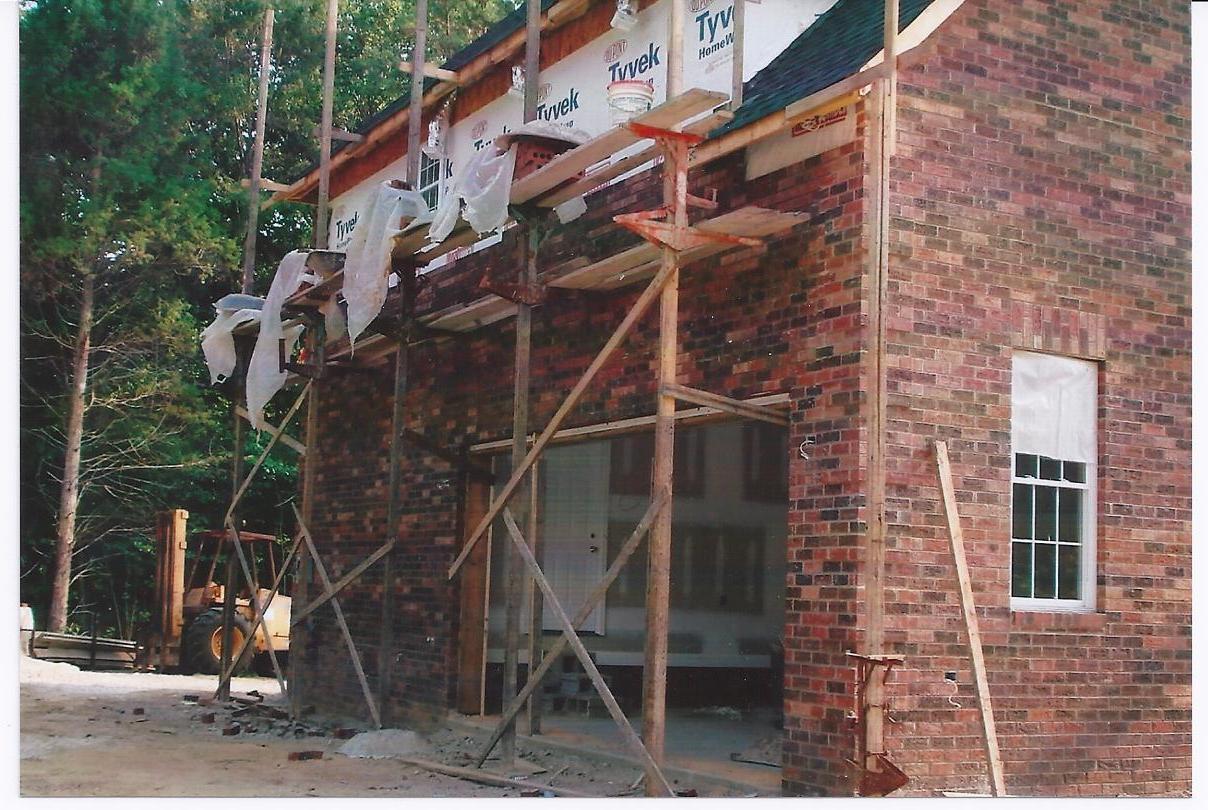
You’re excited because you know the end is near. But the house isn’t done yet. Other things need to happen on the inside before you can move in. Final tasks like painting, installing cabinets and appliances.
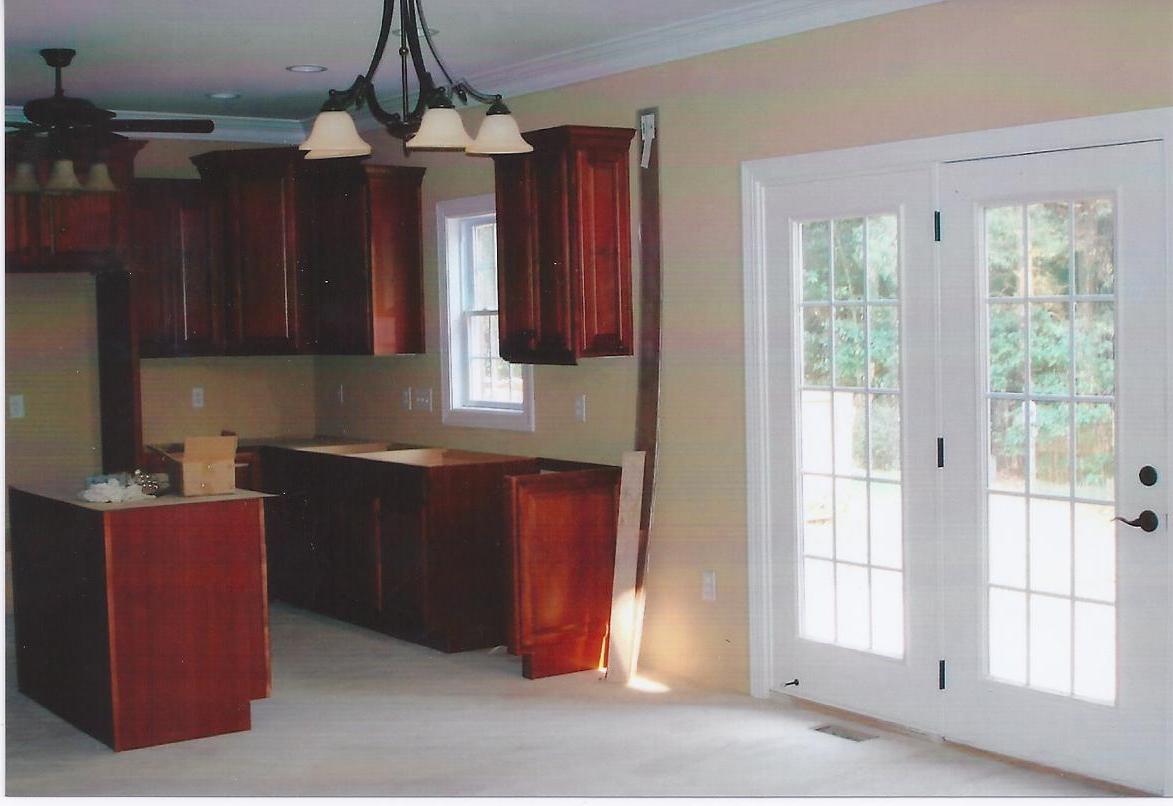
The same goes for our writing. We’ve cemented our foundation and joined cohesive elements, but for our story to light up our readers, we must add some finishing touches.

Layer sensory details.
Think back to the last time you received new prescription lenses. How much clearer, more sharp or vivid, was your vision after putting on the new lenses? Sprinkling sensory details makes our writing crisp, brings it into focus, and makes the story literally dance off the page. 
Let’s have some fun. 

How many sensory details can you find in this excerpt from Journey’s Edge?

Her face plowed into an expansive, muscular chest. Strong hands grabbed McKinley’s upper arms. A vague, familiar smell permeated the man’s torso, a citrus and woodsy scent mingled with masculine deodorant. She heard the door close behind her and felt legs wimp out on her. Good thing this guy held her up or she would have sank straight to the floor like a pile of spaghetti. She angled a hand to eject chest hair from her tongue, trying not to make a face.
“Honey, if you’re looking for that kind of action, you’ve got the wrong room.”

Now you try it. In one or two paragraphs, write the following scene with as many sensory details as you can fit in.

After crying herself to sleep, the next morning Delaney follows the scent of coffee and stumbles into her tiny kitchen, frightened to find a man making chocolate chip pancakes. She didn’t know that Sage, a friend she’s secretly been in love with forever, spent the night on the couch. 

Give it a shot. You know you want to try…

Have you added finishing details to make your story shine? 


Join us next week as we celebrate success, hold a Housewarming Party, and consider our next project.
CALL FOR SUBMISSIONS from Pelican Book Group

Permission to forward granted

Passport to Romance™

Let’s take a trip and fall in love! Passport to Romance™ titles are contemporary romances that are set in specific locales and feature a special set of objects. ( Check out the Location/Object table for specifics). 

Passport to Romance™ feature chic heroines who are sparkling, confident, open for adventure—and who are a perfect match for a contemporary alpha male who has a zest for life, a thirst for God, and who likes an intelligent woman who can hold her own.

Set in exotic locations around the world, these stories offer the contemporary Christian reader adventure, vivacity, romance and faith.

Passport to Romance™ key elements:

· Heroines must be between the ages of 22 and 35.

· Heroes must be between the ages of 22 and 39.

· Settings and objects must be chosen from within the Passport to Romance™ guidelines.

· Hero or Heroine (or both) must’ve traveled to the location of the story (He/She must’ve needed a passport to arrive at the story setting)

· Regular guidelines for White Rose Publishing also apply

· Word length: 30,000-35,000 words

· Please submit only completed stories

An Important Tip:

We created the Passport to Romance™ series to for a two-fold reason: to give readers a taste of overseas and to stir the creative juices of authors. We encourage authors to research the chosen location so that the cultural flavor of the location can be infused into the story. Also, we want to encourage authors to think outside the box when considering ways to incorporate the object prompts. If the location is the Arctic Circle and one of the objects is Hibiscus in Winter, don’t be discouraged! Rather, consider alternatives to the conventional bush blooming in the garden. Hibiscus in Winter might be the name of the heroine’s favourite musical band or book—or poem. A hibiscus could arrive in winter when a plane carrying hibiscus bushes crashes or dumps its cargo for some reason, or because the hero knows a the hibiscus is the heroine’s favourite flower and so carries one with him as he arrives from Hawaii.

When ready to submit, please use the regular submission form found on the www.pelicanbookgroup.com website.

Build it right!

Adding cohesive elements: Believable Plots, Appropriate Conflict, Setting, Theme.

“So that there should be no division or discord or lack of adaptation [of the parts of the body to each other], but the members all alike should have a mutual interest in and care for one another.” (1 Corinthians 12:25, Amp)


Last week we talked about building our story on a firm foundation. This week we’re adding cohesive elements by installing walls, windows & doors.

When we built our house, we used a general contractor. Although he visited the site frequently, he rarely participated in actual labor. Instead, he subcontracted the work to various trades. He didn’t expect the plumber to install the air conditioner, or the carpenter who mounted the doors to paint. Sub-contractors added their individual component, their skilled trade, creating another valuable element to the house as a whole. 

Just as different subcontractors work together to contribute essentials to make our house a home, a writer must join various elements for a cohesive story, or risk discord with the reader. Let’s talk about some basic elements, using romance as an example.

Believable plots. 
In romance, we want our readers to journey along with the characters as they fall in love. Unless the characters were in a prior relationship and the fire hasn’t quite burned out, a declaration of love on the fourth page doesn’t work. The same goes for a suspense plot. Readers don’t necessarily care about the heavy technical details, but the plot must be believable.

Appropriate conflict. 
Who wants to read a romance where the main characters constantly argue with each other? Aren’t they supposed to be falling in love? Conflict doesn’t mean regular clashes with one another. Conflict should arise internally, from their dreams and ambitions, their insecurities, and their belief and value system. Externally, what stands in their way of reaching their goals? 

Setting.
Your setting is as fundamental to your story as the siding on your house. Stucco is common in Florida, but stucco would strike a discordant note in North Carolina where the majority of houses have brick or vinyl siding.  

Whether fact or fiction, you can cement the reader into your setting. If your book is set on a tropical island, readers expect salty breezes and palm trees, the lingering scent of suntan lotion, and seafood dinners on a sandy beach. Offering sensory details harmonious with your setting will make the locale more realistic.

Theme.
Whether you write for the inspirational or secular market, a theme should weave through your story, as integral and seamless as the electrical wires running through your house. Simple messages of forgiveness, that it’s never too late, of second chances and rebuilding trust, and that with God all things are possible will resonate with the reader and keep them turning the page.

Do your individual elements work in harmony for a cohesive story? 


Join us next week as we discuss adding the finishing details.