Build it right!

A firm foundation: Start with a Premise, Create strong characters, Proportion. 

“They are like a man building a house, who dug down deep and laid the foundation on rock. When a flood came, the torrent struck that house but could not shake it, because it was well built.” (Luke 6:48 NIV)


Last week we talked about clearing the land and preparing ourselves for our writing journey. This week we’ll discuss building our story on a firm foundation.

Concrete footers provide a strong foundation for a structure, making a house less vulnerable to attacks from wind, tornadoes, or floods. 

Just like houses must be built on strong foundations, your book requires a sturdy anchor or it won’t stand. Readers will feel tossed about and confused. As the author, you will lose focus and momentum. 

So how do you give your book a strong foundation?

Start with a Premise.
Whether you tend to be a plotter (you outline a detailed synopsis before you actually start writing) or a pantser (you sit down at your computer and start typing with just a few rough ideas floating around in your head), every writer must create a premise. 

The premise is the basic footprint of your house, whether it’s two-story or one, rectangular or square. It’s the basic idea, the main purpose or reason for writing your story. Without a purpose, a foundation for writing, your story won’t be able to withstand the elements. It will sag, maybe even collapse.

Create strong characters.
Your characters should be men and women readers want to hang out with for a while, someone they could be friends with, someone they like. Know more about your characters than just hair or eye color, how tall they are, or what they do for a living. Why do they do what they do? What are they afraid of? What do they want most out of life? Whether you use a character chart or another method to flesh them out, dig deep to create dimensional characters readers will like.

Proportion.
Cement alone isn’t enough for a sturdy foundation. Sand, gravel and water must be mixed in proportionally to add strength and volume. The same goes for your story. Mix in bits and pieces about your hero and heroine’s past so that we can understand their decisions and behavior. Would you keep reading a book with long clumps of past events dragging things out and slowing the pace? Probably not. So, give your story a great foundation by offering tidbits tucked in the right spots and at appropriate times.

What elements do you use to give your story a firm foundation? 


I’ll be taking a blogging break for a couple weeks. Join us in November as we discuss adding cohesive elements by installing walls, windows & doors.

Who said research was boring?

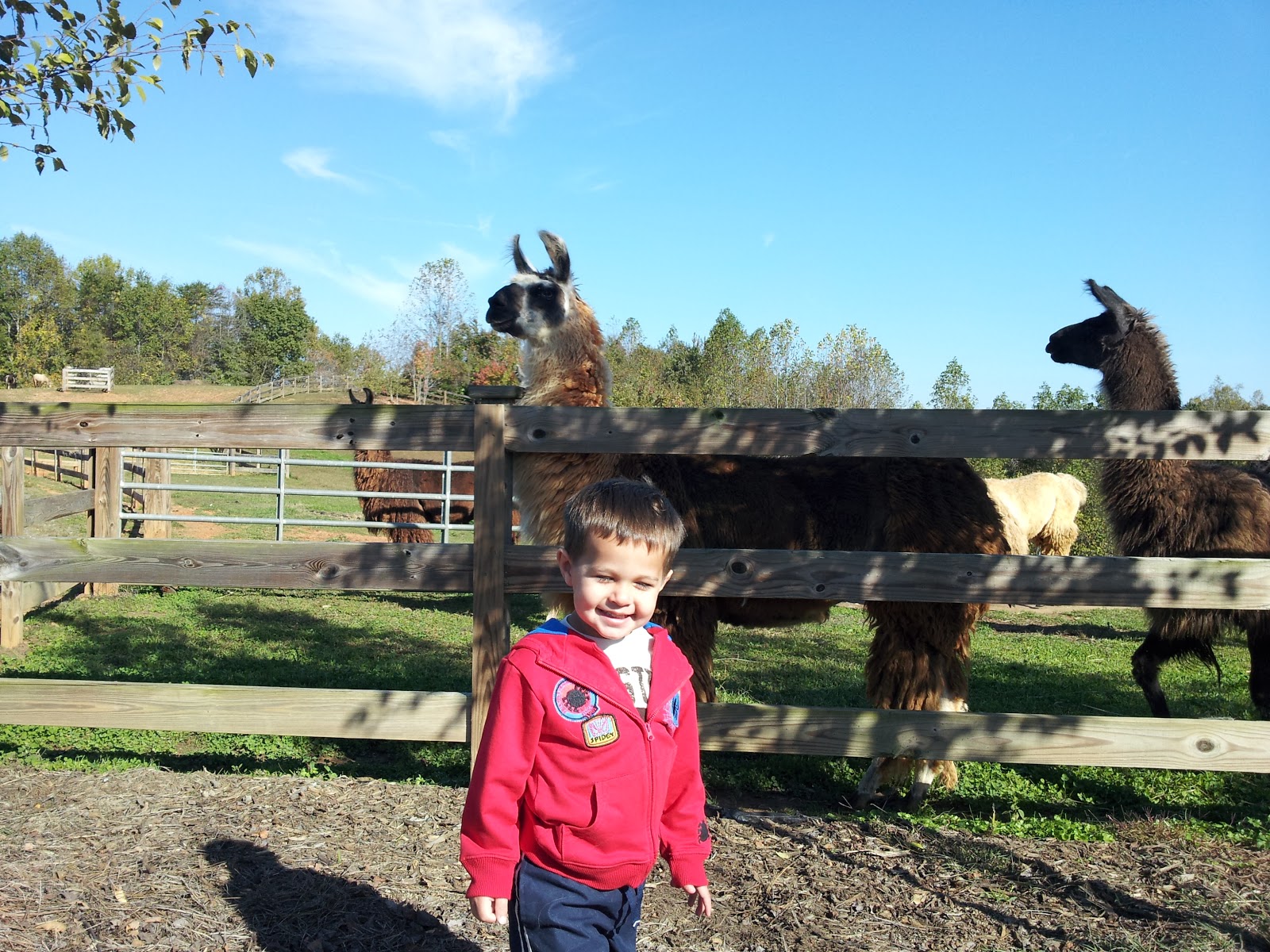
My current wip, Rori’s Healing, features llamas, and I thought it might be fun and informative to get some hands-on experience. So Hubby and I loaded Little Man into the car and took a ride to Four Ladies & Me llama farm where owner Michael West was kind enough to show us around their family’s lovely farm. He probably felt like he answered a gazillion questions. He would be right. 

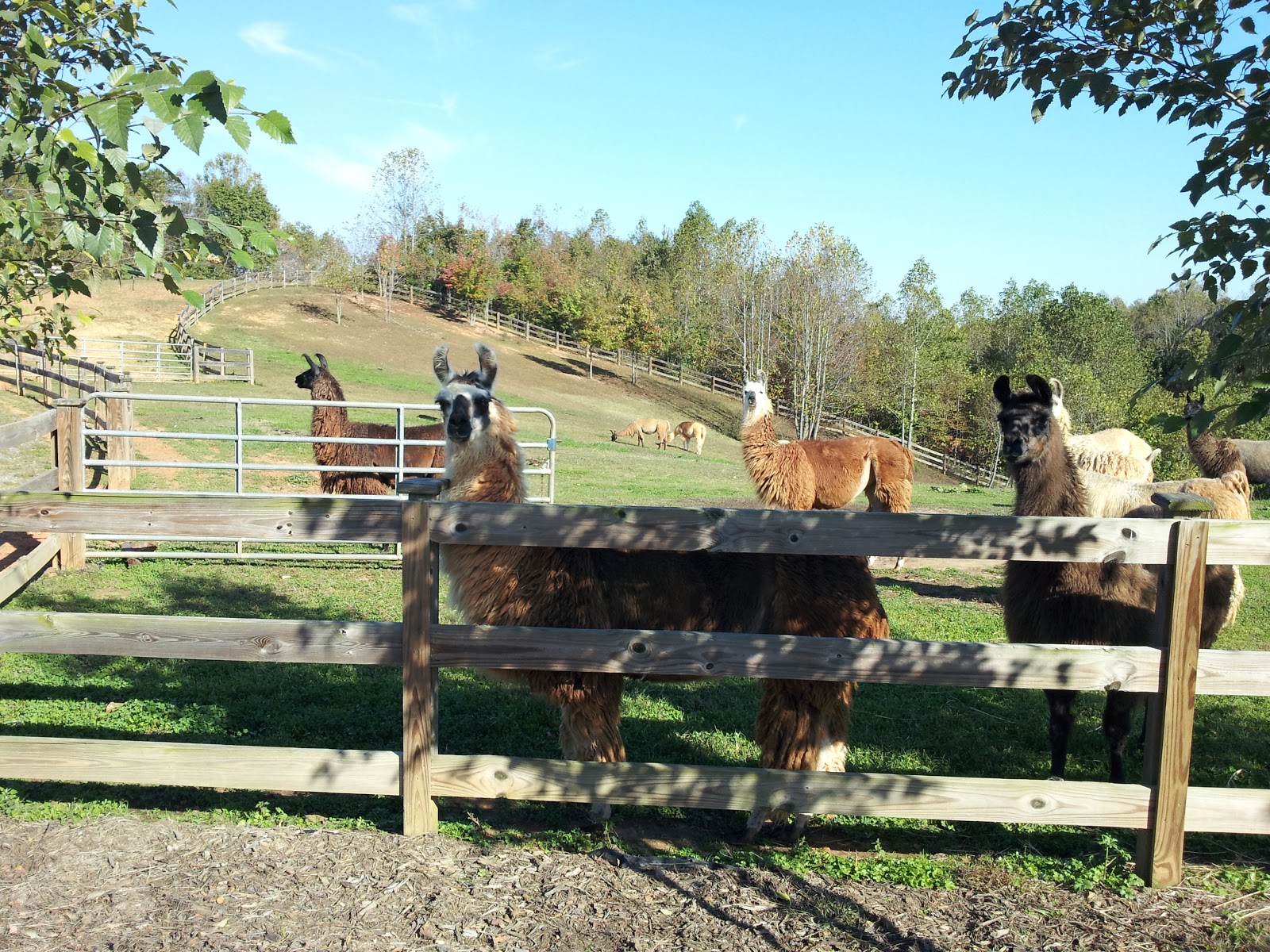
The beautiful animals were curious from the moment we drove up. Llamas tend to be social, and you can’t have just one.


I am so glad we visited. Michael shattered some misconceptions I had from earlier research. Like llamas hum when they’re happy. Not. We heard them hum, but it wasn’t because they were content. He’d called them over, and they came running, expecting food. When he didn’t deliver, they hummed, much like a cow’s moo but softer. Aren’t they handsome fellas?

I came prepared with an extra set of clothes for everybody because my research also revealed that llamas spit. Some do, but mostly at other llamas. They usually only spit at people if they were raised with extensive human handling, like in a petting zoo. These guys behaved themselves, but I did witness an alpaca spitting at a llama.

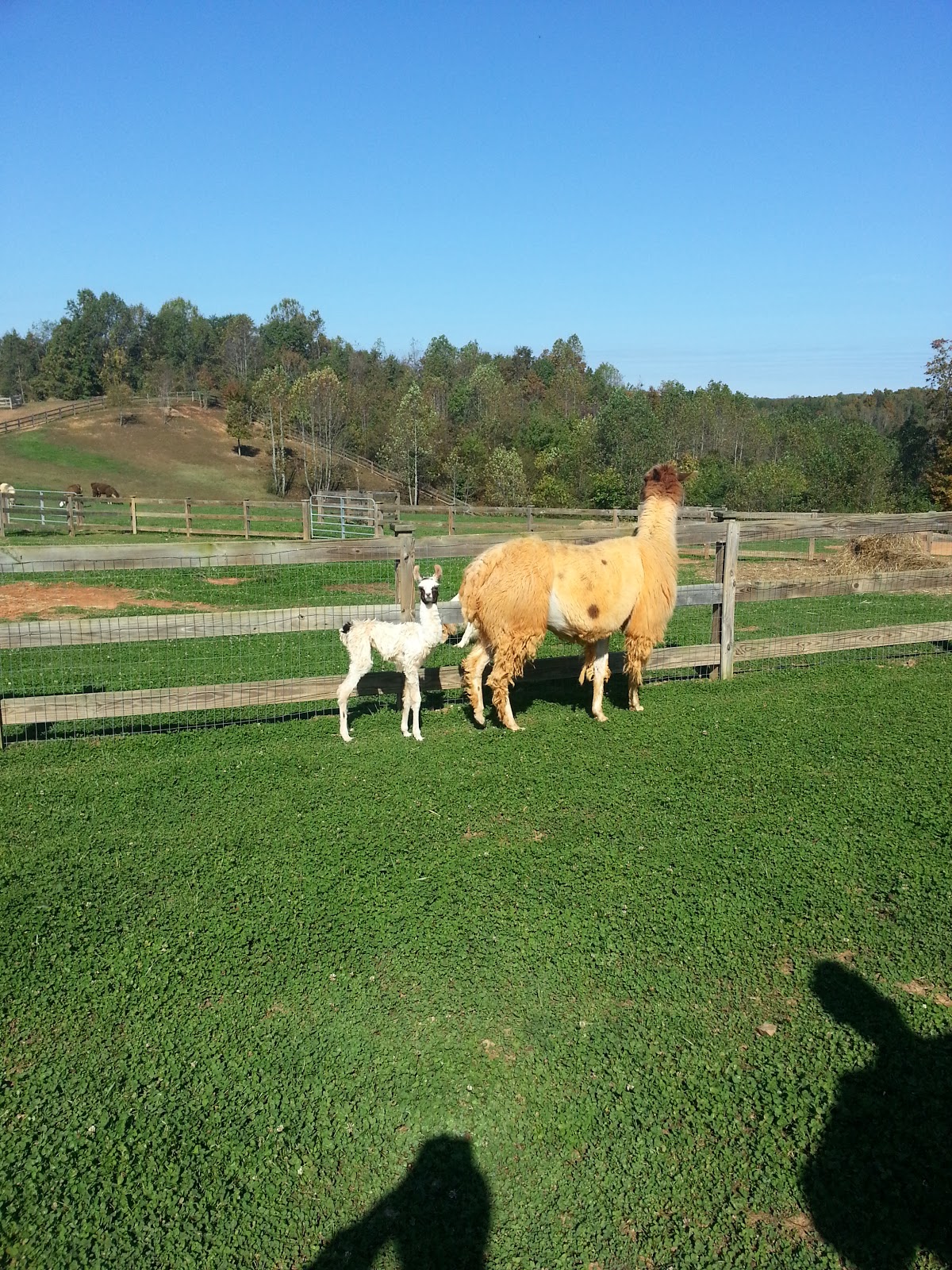
Llama mamas aren’t typically protective or nurturing, but Peaches here hardly let us get close to her two-day-old baby, which is called a cria. What a doll, right?

Little Man enjoyed hanging out on the farm.

We all had a great time and were sad to see the visit come to an end. Do you think Little Man dreamed about llamas?


Thank you, Michael West and Four Ladies and Me! 

Build it right!

Clear property: Pray 

“Unless the Lord builds the house, its builders labor in vain.” (Ps 127:1 NIV)


Your family is in the market for a new house. You’ve toured at least thirty houses, but none of them will work. Battling discouragement and frustration, you notice a property for sale. 

A property? You hadn’t considered building a house. Will it work? You crunch numbers and flip through floor plans to find the perfect layout. With each floor plan, you imagine sipping coffee in the kitchen and watching the kids play in the back yard, their laughter floating through the open window. Or snuggling next to your loved one in front of a toasty fire on a cold winter’s night. Finally, with a picture of the house and all the memories you’ll make firmly planted in your brain and in your heart, you’re ready to make the next move.

Whoa! Don’t swing that hammer yet. 

You have some work to do first. “What?” you ask.

Pray. 

When my husband and I considered a home-building adventure, horror stories about builders, shoddy workmanship and lawsuits frightened us. After all, the decision involved our hard-earned money. Lots of it!

With the lot for sale by the contractor, we prayed about our relationship with him and that our finished house would be a place of peace and tranquility. 

In the same way builders construct a house, writers create stories. Doesn’t it make sense to pray over our books and our writing process?

Make prayer your first step. There’s no point in moving on if you don’t ask God to be part of the process. After all, He’s the Master Builder.

Ask Him to clean out the junk, to free your mind to ideas, to unlock the creative well. To clear the land. To prepare you for the journey.

Then, do your homework. Devour tons of books written in your favored genre. Study sentence structure and dialogue; identify action beats and tags. In the same manner that you would choose a floor plan, determine which writing methods you like and practice to see what works best for you. Attend a writer’s conference. Join a writer’s organization, or several. Take online classes. Read “how-to” books. Follow blogs dedicated to offering writing tips, like Seriously Write and Seekerville.

Pray some more before you move on. You’re going to need it. 

What about you? What’s the first step in your writing process?


Join us next week as we discuss building on a firm foundation.